Shravan Shuddh Dwitiya
Why Traditional Wisdom Still Matters in the Age of AI
Ayurveda for Beginners: Why Traditional Wisdom Still Matters in the Age of AI
We are living in an era of artificial intelligence. Almost every field is being supported by AI, and healthcare is no exception. Advanced technologies are now assisting in diagnosis, research, surgical procedures, imaging, data analysis, and patient monitoring.
These developments are valuable, but health is not only about technology.
Human wellbeing also includes physical balance, mental calmness, good digestion, proper sleep, emotional stability, and a sense of inner wellbeing. Even with increasing comfort, convenience, and medical technology, people continue to experience lifestyle disorders, chronic diseases, stress, disturbed sleep, digestive problems, and other health concerns.
This is where an integrated approach to health becomes important.
Traditional systems of medicine such as Ayurveda offer a different perspective. Ayurveda has been practiced for more than two thousand years and focuses not only on the treatment of disease but also on maintaining health and preventing imbalance through appropriate food, lifestyle, daily routine, seasonal regimen, medicines, and therapeutic procedures.
Understanding Ayurveda in a Simple Way
Ayurvedic knowledge can be understood through three important components traditionally described as Hetu, Lakṣaṇa and Cikitsā.
Hetu means the causative or contributing factors responsible for disease or imbalance.
Lakṣaṇa refers to the signs and symptoms through which a disease or disturbed state becomes evident.
Cikitsā means treatment or therapeutic management.
Thus, Ayurveda first tries to understand why a problem has developed, then identifies how it is manifesting, and
finally decides how it should be managed.
Where Does Panchakarma Fit In?
Ayurvedic treatment is not limited to herbal medicines.
Depending on the individual, the condition, strength, age, season, digestive capacity and other clinical factors, Ayurveda may recommend Śamana therapies aimed at balancing disturbed functions or Śodhana therapies intended for therapeutic purification.
Panchakarma is one of the important Śodhana approaches described in Ayurveda.
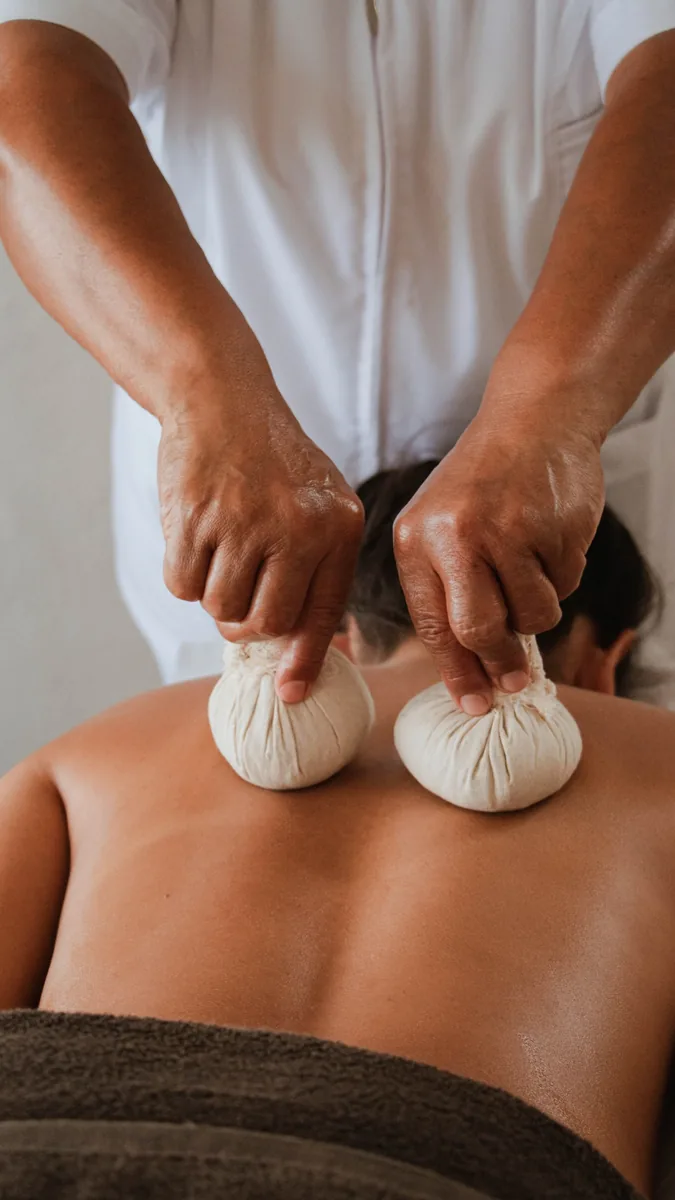
The major therapeutic procedures associated with Panchakarma include:
- Vamana – therapeutic emesis in properly selected individuals
- Virechana – therapeutic purgation
- Basti – medicated enema therapy
- Nasya – administration of medicines through the nasal route
- Raktamokṣaṇa – therapeutic bloodletting in selected conditions
These are not routine home remedies or general "detox" procedures. They require proper assessment, preparation, professional supervision and appropriate post-procedure care.
Is Panchakarma Only for Disease?
Panchakarma has traditionally been used in different clinical contexts, including disease management as well as certain preventive and health-promoting approaches.
However, the same Panchakarma procedure is not suitable for everyone.
A person seeking wellness may require a very different plan from someone who has a long-standing disease. Similarly, patients who approach Ayurveda after years of illness, multiple medications or advanced disease need careful evaluation before any Panchakarma procedure is considered.
The aim should therefore not be to perform Panchakarma simply because it is popular, but to select the right therapy for the right person at the right time.
Ayurveda in the Modern World
Modern medicine and technology continue to make remarkable advances. Ayurveda does not need to compete with these advances.
Instead, responsible healthcare can benefit from understanding where modern diagnostics, emergency medicine and advanced treatment are necessary, while also recognising the value of preventive lifestyle practices and traditional health knowledge.
The future of healthcare may therefore be increasingly integrative—using technology where it is most useful while continuing to value nutrition, lifestyle, movement, sleep, mental wellbeing and traditional systems of health.
For someone completely new to Ayurveda, the first step is simple:
Do not begin with complicated medicines or Panchakarma packages. Begin by understanding your body, habits, digestion, sleep, lifestyle and individual health needs.
Ayurveda starts with the individual.
RIDDHI Ayurveda Clinic, Rajkot
Ayurveda • Panchakarma • Yoga • Personalized Lifestyle Care
📞 9057552143